Discover Seville’s rich artistic culture through its long history. Andalusian art and expression is very unique and is displayed very well in these museums.

This museum, a great example of Andalusian architecture, focuses on the Golden Age of Seville. It houses many works by famous Spanish artists from history, including Bartolomé Esteban Murillo and Francisco de Zurbarán.

Located in the Parque de María Luisa (near Plaza de España), this museum holds most of the sculptures and antiquities from the Roman city of Italica and other areas surrounding Seville, including the famous golden treasure El Carambolo. The three floors of the museum contain a library and many exhibits showing Medieval, Roman, and Islamic influence across Andalusian history.
Please note: the museum is currently closed for a long renovation. Check that it has reopened before you plan your visit.

This unique museum focuses on the style, heritage, and crafts of Seville. Also located in the Parque de María Luisa, it displays many examples of famous ceramics, including items used during the traditional celebrations of Semana Santa and La Feria.

This museum of Moorish and Roman remains is located underneath Las Setas de la Encarnación. The ruins were discovered in 2003 and incorporated into the design of the large wooden structure. The museum’s layout shows the ruins as they were discovered.

We highly recommend seeing a Flamenco show when you visit Seville. It is an important expression of Andalusian heritage. Here you will learn about all the different types of flamenco, its origins, and see a professional performance.

Ceramics are a world-renowned and authentic craft of Seville. Found on many streets and structures in the city, ceramics and pottery are a key part of Sevillan culture. At Centro Cerámica Triana, you will discover many different styles of ceramic and learn how the craft has evolved over the last few centuries. A ceramic piece is a very authentic souvenir from Seville.

The Plaza de Toros de la Maestranza is one of the oldest and most important bullrings in Spain and is an impressive site to see. Holding 13,000 spectators, this ring and its tradition are considered an important part of Spanish culture. You can learn about the history of bullfighting through the museum and stand in the middle of the arena.

This is a cultural center dedicated to showcasing art and culture. As one of eight Caixaforum centers in the world and part of the Torre de Seville, this museum is different from many others in Seville. It hosts events aimed at sharing the art, history, and stories of different types of people from various backgrounds.
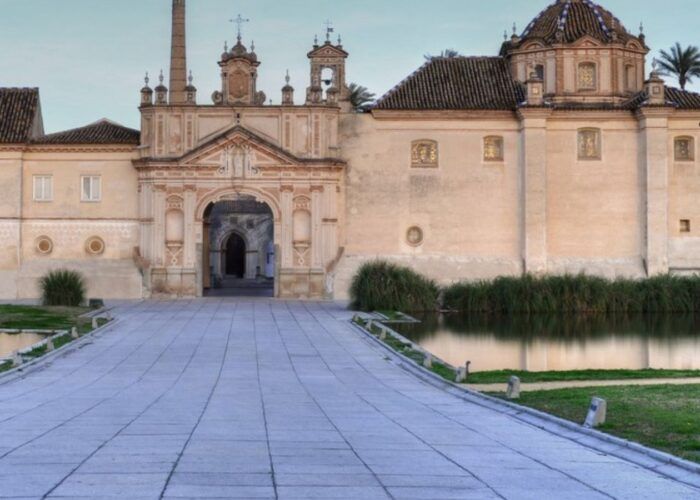
The Andalusian Centre of Contemporary Art occupies the former Carthusian monastery of Santa María de las Cuevas, on La Cartuja island. Christopher Columbus stayed here while preparing his voyages, and in the 19th century the monastery became a ceramics factory whose brick kilns and chimneys still rise between the cloisters.
You can visit the monument, the exhibitions or both, and the gardens hold an outdoor sculpture collection. Entry costs very little and is free on some days of the week.
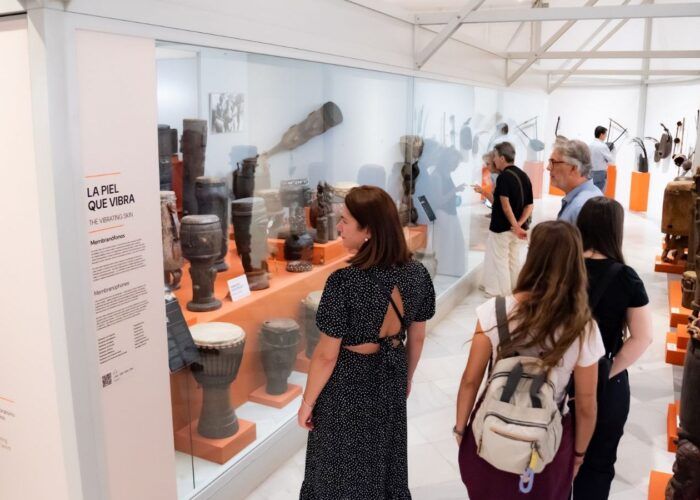
Sharing the Plaza de América pavilion with the Arts and Popular Customs Museum, in María Luisa Park, this small museum gathers more than 300 traditional instruments from sub-Saharan Africa: drums, harps, xylophones, flutes and many you will not recognise.
Masks, sculptures and videos explain the part music plays in daily life and rituals, and an interactive room lets you play some of the instruments. It is free for EU citizens and one of the best choices in Seville for children.
If you only have time for one, let your interests decide. For painting, the Fine Arts Museum holds the great Sevillian masters such as Murillo, Zurbarán and Valdés Leal, while the CAAC and CaixaForum cover the art of today. For history, the Antiquarium shows Roman and Moorish remains beneath the Setas. To understand local traditions, combine the Arts and Popular Customs Museum with the Ceramic Museum in Triana, or choose the Flamenco or Bullfighting museums. Travelling with children? ¿Te Suena África? is usually the favourite, and you will find more ideas in Seville for children.


Remember that you can find much more complete and updated information in our PDF guide, written by a local. It includes extra recommendations, a tourist map, and updated schedules and prices. It is free with any tour or activity booking.